
"Martinique coffee industry"
600 article(s) found

Coffee from Puerto Rico
Coffee trees were introduced to Puerto Rico from Martinique in 1736. Early coffee was mostly grown by immigrants from Corsica. Coffee plantations flourished in the 19th century, but the rise of sugar cane and corn plantations and the effects of hurricanes and war have left the coffee industry lagging behind and is now recovering. Coffee Origin in Puerto Rico: Most in Puerto Rico

Jamaican coffee production and cultivation in Jamaican coffee producing areas
Following Cafe (vdailycom on Wechat official account) found that Blue Mountain Coffee, which opened a small shop in Beautiful Cafe, tasted mellow, sour, sweet and bitter, and exuded a seductive elegance. The area of the island of Jamaica is small, and the Blue Mountains are located northeast of the capital Kingston, because the mountain is surrounded by the Caribbean Sea, and whenever the weather is clear, the sun shines directly on the blue.

Introduction to the flavor and taste of the Blue Mountain Coffee Manor of Jamaica Fine Coffee
In 1717 King Louis XV of France ordered coffee to be grown in Jamaica, and in the mid-1920 s, the Governor of Jamaica, Nicholas. Nicholas Lawes imported Arabica seeds from Martinique and began to plant them in St. Andrew. To this day, the St. Andrews area is still the Jamaican Blue Mountain Coffee.

Introduction to the manor area of coffee growing in Jamaica the flavor and taste characteristics of Jamaican Blue Mountain Coffee
Coffee is grown in Jamaica, and in the mid-twenties, Nicholas, Governor of Jamaica. Nicholas Lawes imported Arabica seeds from Martinique and began to plant them in St. Andrew. To this day, St. Andrews is still one of the three major producing areas of Jamaican Blue Mountain Coffee, with the other two producing areas.
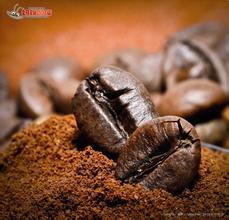
What are the national characteristics of coffee production in Latin America
What are the characteristics of coffee-producing countries in Latin America in 1721 French naval officer Gabriel Mathieu de Clieu went through difficulties and obstacles to bring the first coffee sapling from Africa to the Latin American island of Martinique, which was the origin of coffee cultivation in Latin America. Because at that time, France was under the reign of the Bourbon dynasty.
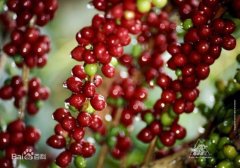
Boutique coffee beans of Latin America in the coffee country
Latin America (Latin America) in 1721 French naval officer de Klee (Gabriel Mathieu de Clieu) experienced difficulties and obstacles to bring the first coffee sapling from Africa to the Latin American island of Martinique, which was the origin of coffee cultivation in Latin America. Because at that time, France was under the reign of the Bourbon dynasty, and what was grown in Latin America

Introduction of Latin American Coffee Bourbon Coffee uses Wet treatment of Raw beans
Latin America (Latin America) in 1721 French naval officer de Klee (Gabriel Mathieu de Clieu) experienced difficulties and obstacles to bring the first coffee sapling from Africa to the Latin American island of Martinique, which was the origin of coffee cultivation in Latin America. Because at that time, France was under the reign of the Bourbon dynasty, and what was grown in Latin America

Coffee flavors from different coffee producing areas around the world coffee producing areas in Puerto Rico
PuertoRico in 1736, coffee trees were introduced into Puerto Rico from Martinique. Most of the early coffee was grown by immigrants from Corsica. Coffee farms were once prosperous in the 19th century, but the rise of sugarcane and crop farming and the impact of hurricanes and wars made the coffee industry lag behind and is now recovering. The origin of coffee in Puerto Rico:

Puerto Rican Coffee introduces the characteristics of Puerto Rican coffee the taste wave of Puerto Rican coffee
In 1736, coffee trees were introduced from Martinique to PuertoRico. Most of the early coffee was grown by immigrants from Corsica. Coffee farms were once prosperous in the 19th century, but the rise of sugarcane and crop farming and the impact of hurricanes and wars made the coffee industry lag behind and is now recovering. The origin of coffee in Puerto Rico: Puerto Rico is the most

Puerto Rican boutique coffee introduces the characteristics of Puerto Rican coffee Puerto Rican coffee taste wave
In 1736, coffee trees were introduced from Martinique to PuertoRico. Most of the early coffee was grown by immigrants from Corsica. Coffee farms were once prosperous in the 19th century, but the rise of sugarcane and crop farming and the impact of hurricanes and wars made the coffee industry lag behind and is now recovering. The origin of coffee in Puerto Rico: Puerto Rico is the most

Global coffee producing area Puerto Rico coffee market
In 1736, coffee trees were introduced from Martinique to PuertoRico. Most of the early coffee was grown by immigrants from Corsica. Coffee farms were once prosperous in the 19th century, but the rise of sugarcane and crop farming and the impact of hurricanes and wars made the coffee industry lag behind and is now recovering. The origin of coffee in Puerto Rico: Puerto Rico is the most

Boutique coffee recommends Puerto Rican coffee
In 1736, coffee trees were introduced from Martinique to PuertoRico. Most of the early coffee was grown by immigrants from Corsica. Coffee farms were once prosperous in the 19th century, but the rise of sugarcane and crop farming and the impact of hurricanes and wars made the coffee industry lag behind and is now recovering. The origin of coffee in Puerto Rico: Puerto Rico is the most

Puerto Rican coffee. Puerto Rican coffee.
In 1736, coffee trees were introduced from Martinique to PuertoRico. Most of the early coffee was grown by immigrants from Corsica. Coffee farms were once prosperous in the 19th century, but the rise of sugarcane and crop farming and the impact of hurricanes and wars made the coffee industry lag behind and is now recovering. The origin of coffee in Puerto Rico: Puerto Rico is the most

Cliff Manor single Bean production area introduces how to brew Cliff Manor single Bean
The exchange of professional baristas please follow the coffee workshop (Wechat official account cafe_style) Cliff Manor in Jamaica in 1717 King Louis XV of France ordered the cultivation of coffee in Jamaica, and in the mid-twenties, the Governor of Jamaica, Nicholas. Sir Lloyd (Nicholas Lawes) imported Arabica seeds from Martinique (Martinique) and began in St. Ann.

The coffee producing area of Puerto Rico.
In 1736, coffee trees were introduced from Martinique to PuertoRico. Most of the early coffee was grown by immigrants from Corsica. Coffee farms were once prosperous in the 19th century, but the rise of sugarcane and crop farming and the impact of hurricanes and wars made the coffee industry lag behind and is now recovering. The origin of coffee in Puerto Rico: Puerto Rico is the most

What are the coffee-growing areas in Puerto Rico? Matagalpa.
Yaocote's coffee of choice was the best in the world in 1736, when the coffee tree was introduced from Martinique to Puertp Rico. Most of the early coffee was grown by immigrants from Corsica. By 1896, Puerto Rico was the sixth largest exporter of coffee in the world, with most coffee shipped to France, Italy, Spain and Cuba. Coffee farms flourished in the 19th century, but

Introduction of Valenford Manor in the Caribbean Sea in the Blue Mountain Coffee region of Jamaica
In 1717 King Louis XV of France ordered coffee to be grown in Jamaica, and in the mid-1920 s, the Governor of Jamaica, Nicholas. Nicholas Lawes imported Arabica seeds from Martinique and began to plant them in St. Andrew. To this day, the St. Andrews area is still the Jamaican Blue Mountain Coffee.

What are the flavor and taste characteristics of Venezuelan coffee beans? Does Venezuela produce more coffee?
Professional coffee knowledge exchange more coffee bean information please follow the coffee workshop (Wechat official account cafe_style) what are the flavor and taste characteristics of Venezuelan coffee beans? Does Venezuela produce more coffee? At the end of the 19th century, Venezuela began the coffee age, but with the imperialist countries in Africa and Asia, large-scale cultivation of cocoa and coffee beans, with inferior raw materials

The flavor and taste of Puerto Rico coffee manor introduce the characteristics of Puerto Rico coffee
In 1736, the first coffee tree was introduced to Puerto Rico from Martinique. Since then, Puerto Rico has become the base for producing the highest quality coffee in the world. The unique taste chosen by Yaocote has also become the object of admiration of coffee experts all over the world. Most of the earliest coffee trees were planted by immigrants from Corsica. About 160 years later, the coffee industry in Puerto Rico has emerged

The flavor and taste of Puerto Rico boutique coffee beans the manor area introduces the characteristics of Puerto Rico coffee.
In 1736, the first coffee tree was introduced to Puerto Rico from Martinique. Since then, Puerto Rico has become the base for producing the highest quality coffee in the world. And Doradote's unique taste has also become the object of admiration of coffee experts all over the world. Most of the earliest coffee trees were planted by immigrants from Corsica. About 160 years later, the coffee industry in Puerto Rico has emerged.